About

About LoomCraft

LoomCraft is a small, US-based specialist shop built around one category: frame looms and tapestry weaving kits that are simple enough for a first project and sturdy enough to keep using after it.
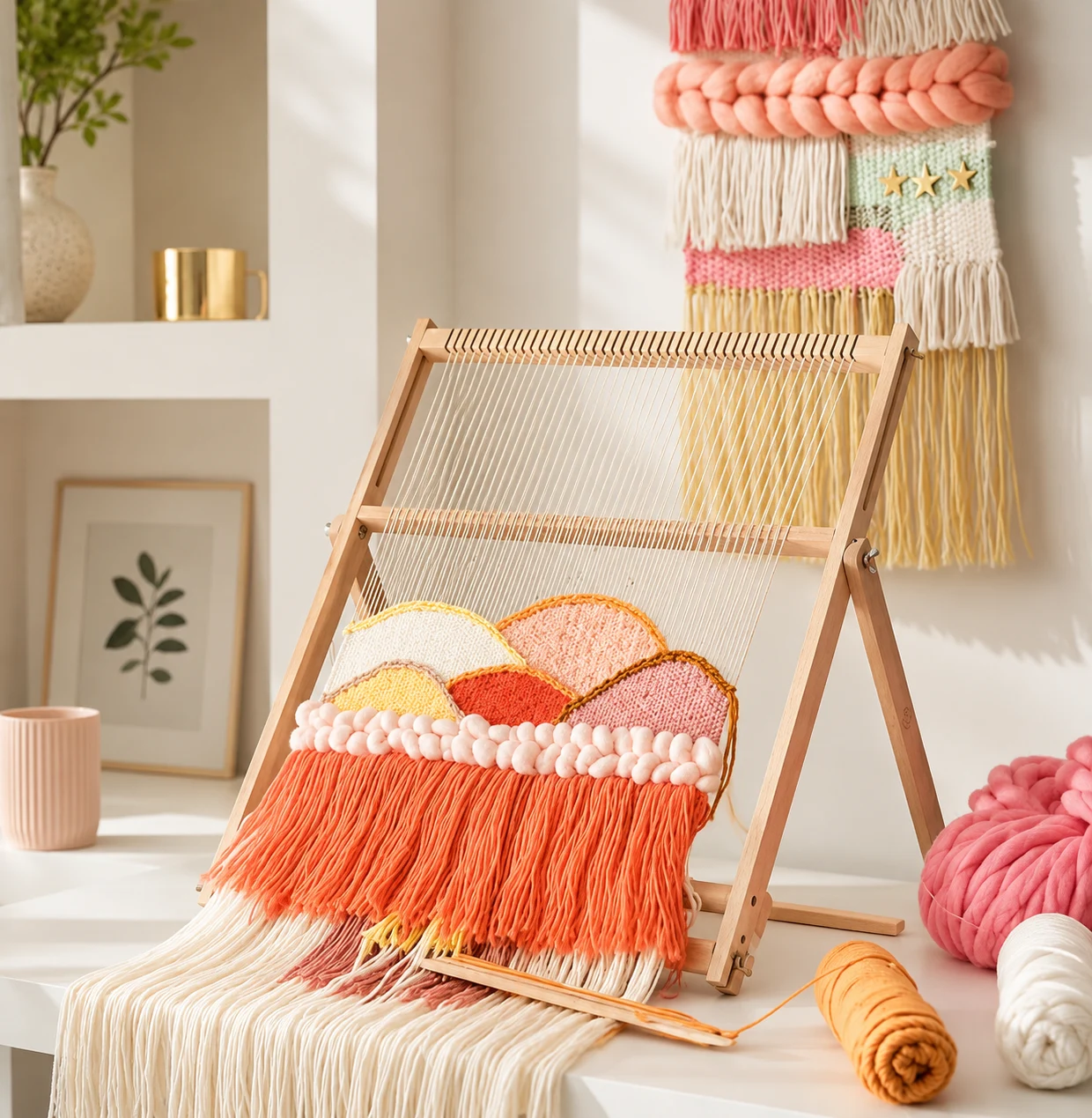
We don't sell a catalog of unrelated craft products. We sell weaving looms — three frame sizes, with or without a starter set of wool — and we'd rather do that one thing honestly than pad a storefront with items we haven't actually looked at. Every loom we carry gets assembled and tested in-house before it goes on the site, and every claim on this site is checked against what we measured, not what a supplier's marketing copy says.

Why a frame loom, and why us

Weaving has a real barrier to entry: rigid heddle looms and floor looms are capable machines, but they're expensive and have a learning curve of their own before you weave a single row. A frame loom — sometimes called a tapestry loom or lap loom — skips that mechanism entirely. You warp it by hand, you pack the weft with a hand-held comb, and you're weaving within the hour instead of researching heddles and dents. That's the gap LoomCraft fills: not a toy, not a professional floor loom, but a real wooden loom sized for someone trying tapestry weaving for the first time, or a returning weaver who wants something simple for small projects.

We priced our three sizes — Small, Medium and Large — between the bare-bones basic looms sold by long-established US brands and the artisan-built, premium-priced frame looms sold by boutique weaving studios. You're not paying boutique prices, but you're also getting more than the cheapest option on the market: a choice of three sizes, an optional kit with twelve colors of wool included, and a team that actually tested the thing before listing it.

Curated by Dana Whitfield

LoomCraft's product lineup is curated by Dana Whitfield, our Textile Craft Curator. Dana's approach is simple: every loom size gets assembled by hand and tested on a real tapestry project — not just unboxed for photos — before it's approved for the site. That includes timing the assembly, checking how evenly the warp threads hold tension across the frame, and watching how the wooden pegs hold up after a project or two of repeated warping and unwarping. Dana rejects more looms than she approves; a supplier having a well-made sample doesn't guarantee a well-made production run, so the testing has to happen on the actual unit a customer would receive. You can read the full method on our how we test page.

Honest by default

We don't post fake reviews, we don't invent five-star ratings, and we tell you where a budget product has limits. Our reviews page shows exactly how many verified buyer photos and comments we have — including the ones that aren't flattering, like a manufacturing defect on a single frame or the recurring complaint that printed assembly instructions are thin. We'd rather you know that going in than find out after your loom arrives. When we don't have a confirmed spec — wood species, exact wool composition, warranty terms — we say so instead of guessing, and we only publish claims we can point back to a source for.